The rules of etiquette in internet communications and postings are called:
Psychologist and associate professor Ryan Sharma has been mentoring students through higher education for over 14 years, teaching classes in professionalism, consultation, and clinical supervision https://asacentre.com/. In his role as the director of clinical training at California Lutheran University, he helps students develop their professional identity so that they can be successful working alongside seasoned clinicians. When he is not teaching or treating anxiety in his private practice, he is either woodworking or spending time with his wife and three children.
Do you want to stand out as exceptional in school? Did you know that you need more than just good grades to build a positive reputation among your faculty? A truly professional demeanor will give you access to a competitive edge, yet there are many unwritten expectations that—if you are not aware of them—can jeopardize your reputation. The Unwritten Rules of Professional Etiquette gives you an honest account of the ways faculty silently judge students without pulling any punches. With this straightforward advice you can sidestep the hidden graduate school pitfalls and emerge at the top of your class. Covering topics such as excelling in interviews, responding to constructive feedback, and dealing with difficult faculty, this compendium is an essential resource for navigating the complex world of academic relationships. While this is an indispensable handbook for graduate students, undergrads practicing this advice will be truly outstanding.
To calculate the overall star rating and percentage breakdown by star, we don’t use a simple average. Instead, our system considers things like how recent a review is and if the reviewer bought the item on Amazon. It also analyzed reviews to verify trustworthiness.
Rules of etiquette
If you’ve recently been concerned with staff etiquette or simply want to communicate expectations for the office, contact Let’s Roam to have team-building activities created for your company! Each event affords you an opportunity to meet with employees, make announcements, and ensure that expectations are clear and understood. Plan a game of Coworker Feud focused on etiquette or use a Lunch and Explore Workshop to teach the importance of office cleanliness. Contact our guides to start brainstorming!
Back in the day, eloping to get married was often seen as shameful, fringe or the result of too much alcohol. But then the Great Recession happened, and it changed a lot of people’s feelings about extravagant parties of any sort, Parker says.
Wonderful information. I did notice one thing was left out of the list. If you find fault with or do not like any of the food served, DO NOT make it known at the table in front of everyone. Practice mindful and respectful conversation about food prepared for you.
Hosting a party? Inviting a new friend out for lunch? Arranging a play date for your child’s friend? Take a minute and ask whether they have any food allergies, food intolerances, religious standards or special diets you should be aware of, says Sokolosky. You don’t have to cater to every individual whim, but it’s polite to ask in advance so that at the very least they can make their own food arrangements. If you’re having a buffet, be sure to label foods with the most common allergens, like nuts or gluten.
There’s a long history of a bride’s family paying for the wedding—the venue, the meal, the cake, you name it. The practice originated from an even older wedding tradition: The bride’s family once gave a dowry to the groom’s.
And if you even had a thought to take the call on speakerphone, banish it from your head immediately. If you have an important call to make, the polite thing to do is step outside or to a more private location, says Parker. Don’t have long, loud conversations in the grocery store, waiting rooms, checkout lines, on public transportation or (heaven forbid!) in a bathroom stall. In addition, she adds, do not have conversations or play music or podcasts through your speakerphone in public places, including public parks, beaches and on hiking trails if others are nearby.
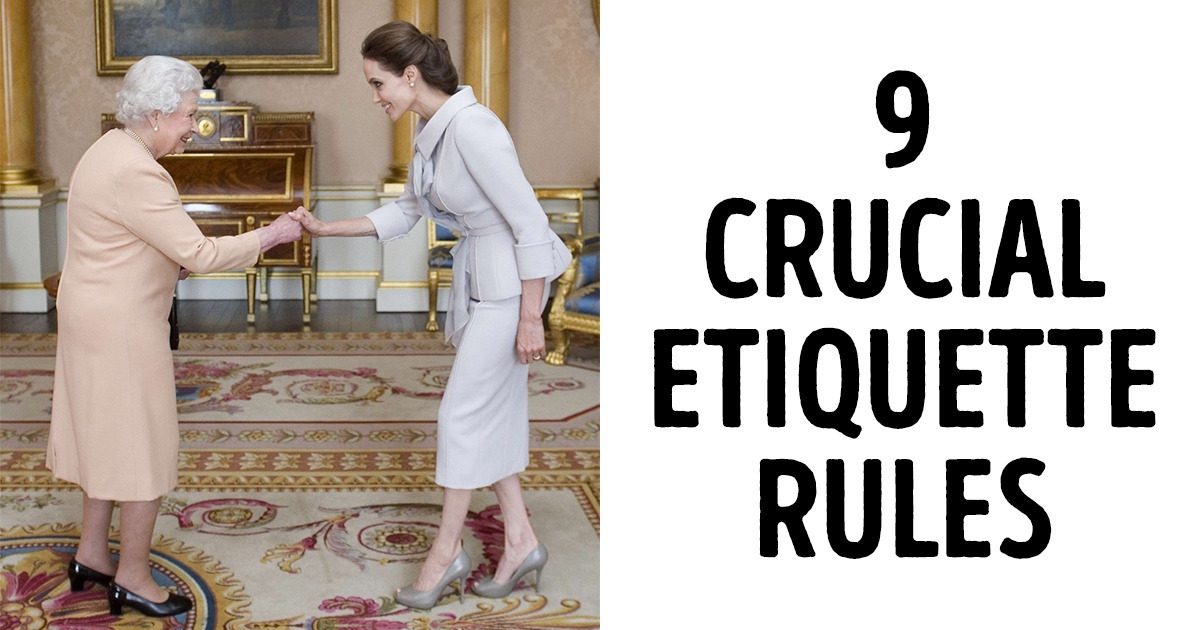
Where would an employee find an employers rules of etiquette
Now flip that: what happens when those behaviors are missing? You get tone-deaf emails, eye-rolls in meetings, skipped greetings, and awkward interactions that quietly chip away at your company culture. And let’s face it HR is the one left cleaning up the mess.
Workplace etiquette encompasses a set of unwritten rules and social norms that govern behavior and interactions within a professional setting. While specific customs may vary across industries and cultures, certain principles of etiquette remain universally applicable. These principles revolve around respect, courtesy, professionalism, and effective communication.
Shared spaces in the workplace reflect the collective culture of an organization. When employees treat areas like open workstations, cafeterias, and meeting rooms with respect, it promotes a cleaner, quieter, and more professional environment for everyone. It’s not just about cleanliness it’s about showing consideration for your colleagues’ space and focus.
In this blog, we unpack the workplace etiquette gaps that silently chip away at culture, collaboration, and career growth. But before we dive into the specifics, let’s get clear on what workplace etiquette actually means and why it’s more critical than ever in today’s evolving work environment.
Edstellar stands out with its tailored corporate training programs and the Skill Matrix a powerful tool that helps businesses map, assess, and upskill employees not just technically, but also in terms of workplace behavior and professional conduct.